Checkout area
Disputes · Errors · FraudFraming focused on the checkout counter and hands, not the silhouette. This allows for resolving customer disputes or understanding cash discrepancies.
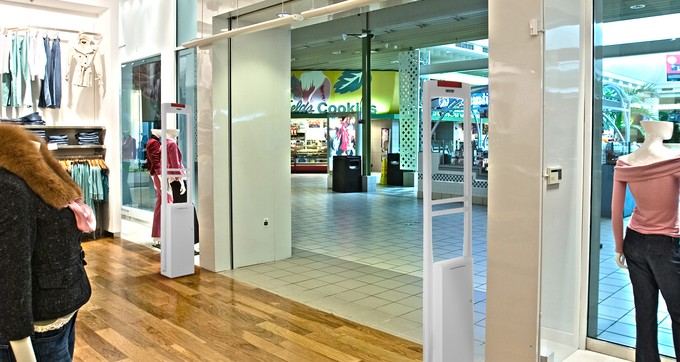 EAS anti-theft
Sensormatic AM pedestals, tags, hard tags, and detachers.
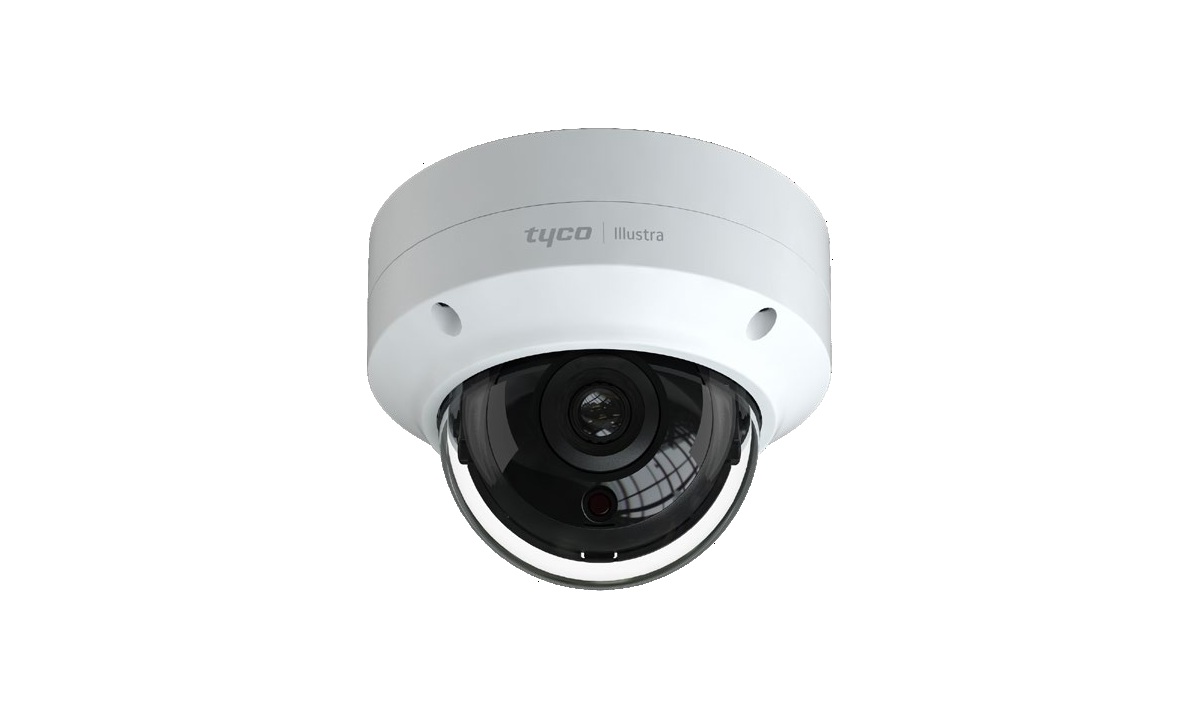 Video surveillance
Aritech, Carrier, HikVision. NVR, monitoring, AI.
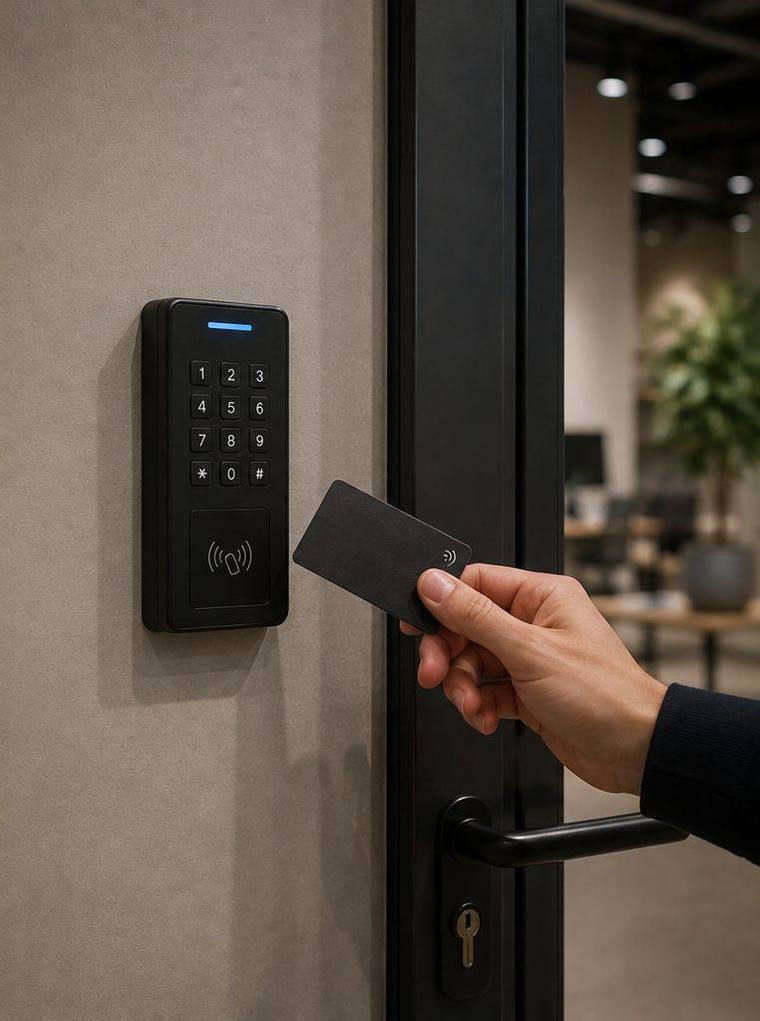 Access control
Tags, biometrics, multi-site access rights management.
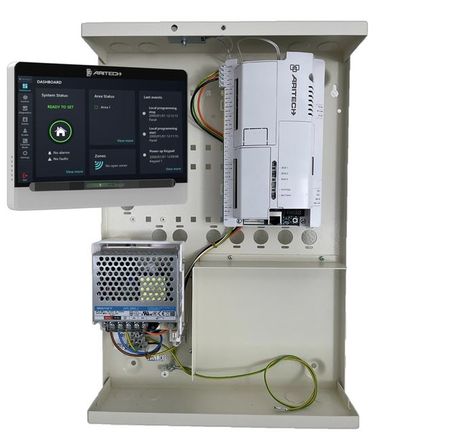 Intrusion alarm
Hybrid control panels, GSM transmission, remote monitoring.
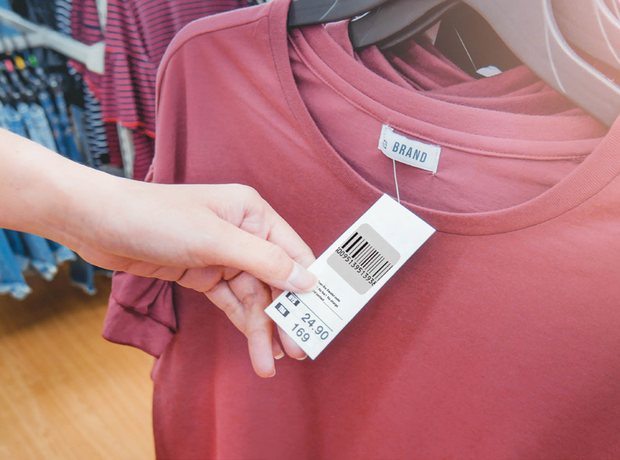 Labels & consumables
Anti-theft labels, reusable tags, detachers.
Point of salePOS, scanners, printers and peripherals.
MaintenanceMulti-brand service, preventive and on-site support.
Build a reliable video system for your stores, offices, warehouses and multi-site network. Site survey, installation, monitoring and maintenance from a specialist integrator.
Site survey · Local or multi-site deployment · Maintenance
Selected retail references: Gucci · Intersport · New Balance · Puma · Salomon
Sources: CNIL · Internal Security Code (Art. L.251-1 et seq.) · GDPR · Labor Code (Art. L.1121-1 and L.1222-4). Informative summary; does not constitute legal advice.
A camera serves two very different purposes: immediate deterrence and providing usable footage after the fact. The latter is where things often go wrong—framing is too wide, window glare causes backlighting issues, or the recording is overwritten before a police report is filed.
A useful installation is designed based on the scenarios you need to be able to review later, not just the number of cameras in the quote.
Get my site assessed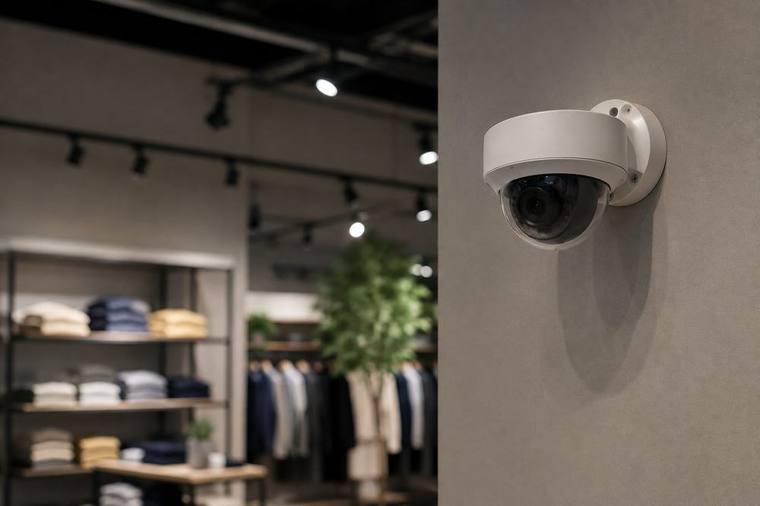
Three locations determine a system's utility. The rest is a matter of convenience.
Framing focused on the checkout counter and hands, not the silhouette. This allows for resolving customer disputes or understanding cash discrepancies.
Dedicated camera at the entrance, adjusted to compensate for window glare—the number one cause of unusable footage.
Storage areas, loading docks, and emergency exits: the setting for most internal inventory shrinkage—areas never seen on the sales floor.
Our offer does not stop at four products. We select Illustra by Tyco, exacqVision and complementary equipment according to the scene, distance, required level of detail and retention period.
Guided choice, not a closed catalogue. The examples below show the main available configurations. The final reference, channel count and storage are confirmed after surveying your areas and uses.
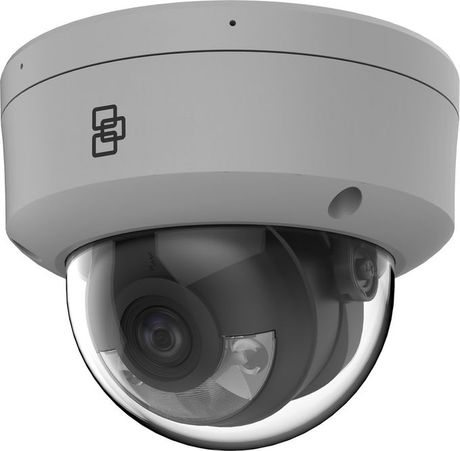 Dome cameraIndoor · vandal-resistant
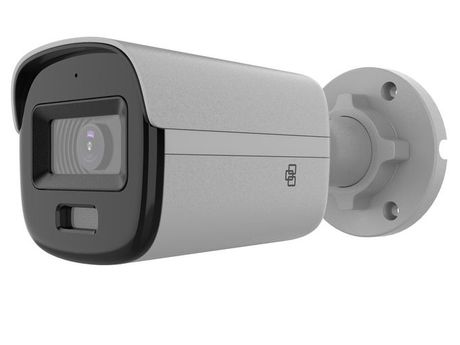 Bullet cameraAccess · outdoor
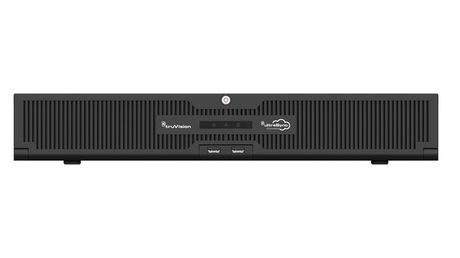 NVR & storage4 to 32 channels · project-led
 Video monitoringLocal · remote · multi-site
Filming a place open to the public involves procedures that many business owners discover too late. Here is the essential information to know before installation.
A business filming its sales floor requires prefectural authorization. The back room falls under CNIL regulations; a single store may be subject to both.
Signage visible before every monitored area, entry in the GDPR register, prior notification of employees—general notices are not sufficient for them. For companies with more than 50 employees, the Social and Economic Committee (CSE) must be consulted.
The retention period must be proportionate to the purpose. In practice, most professional systems are set to a period of 15 to 30 days, and storage capacity is sized accordingly.
Restrooms, locker rooms, break rooms — and no continuous monitoring of a workstation. The camera framing is determined at installation, not afterwards.
Sources: CNIL · Internal Security Code (Art. L.251-1 et seq.) · GDPR · Labor Code (Art. L.1121-1 and L.1222-4). Informative summary; does not constitute legal advice.
Rapid response throughout the Bas-Rhin region from our base in Northern Alsace, and nationwide coverage for multi-site networks.
Haguenau · Strasbourg · Schiltigheim · Bischwiller · Saverne · Sélestat · Colmar · Mulhouse · Wissembourg · Brumath
Every city has its own constraints: heritage sites, shopping arcades, seasonal tourism. We detail these page by page.
Yes. Areas open to the public require prefectural authorization, which must be requested via the Ministry of the Interior's online portal or from your local prefecture. Staff-only areas fall under CNIL regulations and the GDPR register. We provide the technical details of the installation—number of cameras, placement, data retention period—that you will need to complete your application.
The retention period must be proportionate to the purpose. For a location open to the public, it is specified in the prefectural authorization and cannot exceed one month. In practice, most professional systems are set to a period of 15 to 30 days.
Not for continuous monitoring of a workstation. Cameras may cover access points, checkout areas, and sensitive areas, but employees must be individually informed beforehand; a simple posted notice is insufficient. Restrooms, changing rooms, and break rooms are excluded.
Yes, via smartphone or desktop, using secure access with user-specific permissions. For multiple retail locations, data from all sites can be aggregated into a single interface.
Yes, for most brands: expansion, camera or recorder replacement, bringing the system up to code, and maintenance, even if the original installation was not done by us.
No, the two are complementary. EAS security systems act as both a deterrent and a detection tool at the exit; video surveillance documents events and helps clarify what occurred. The most effective systems combine both methods.
Describe your setup to us: we will arrange a site visit and provide a precise quote for your installation, with no obligation.
A home, shop or multi-site network does not need the same system. We start with the area to secure, then size the camera, recording and monitoring around the useful scene.

Compact indoor cameras selected for framing, lighting and the detail required.

A true outdoor camera selected for distance, lens, night vision and weather resistance.
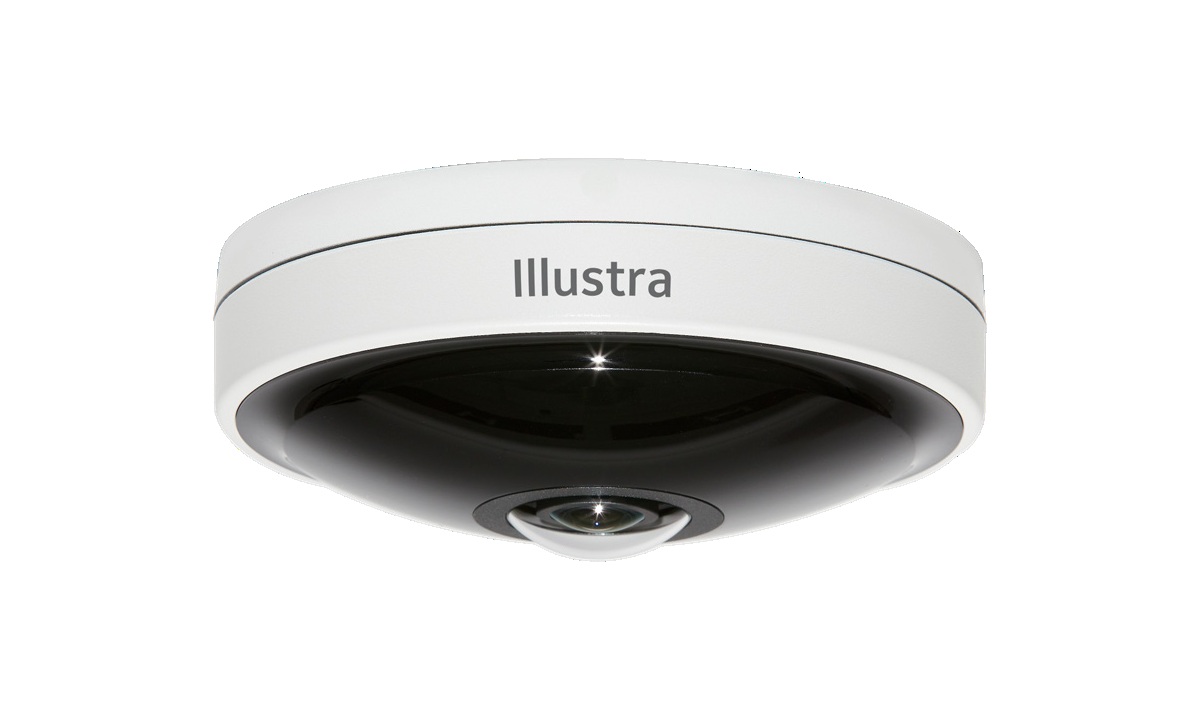
180° or 360° panoramic view for halls, stores and open spaces.
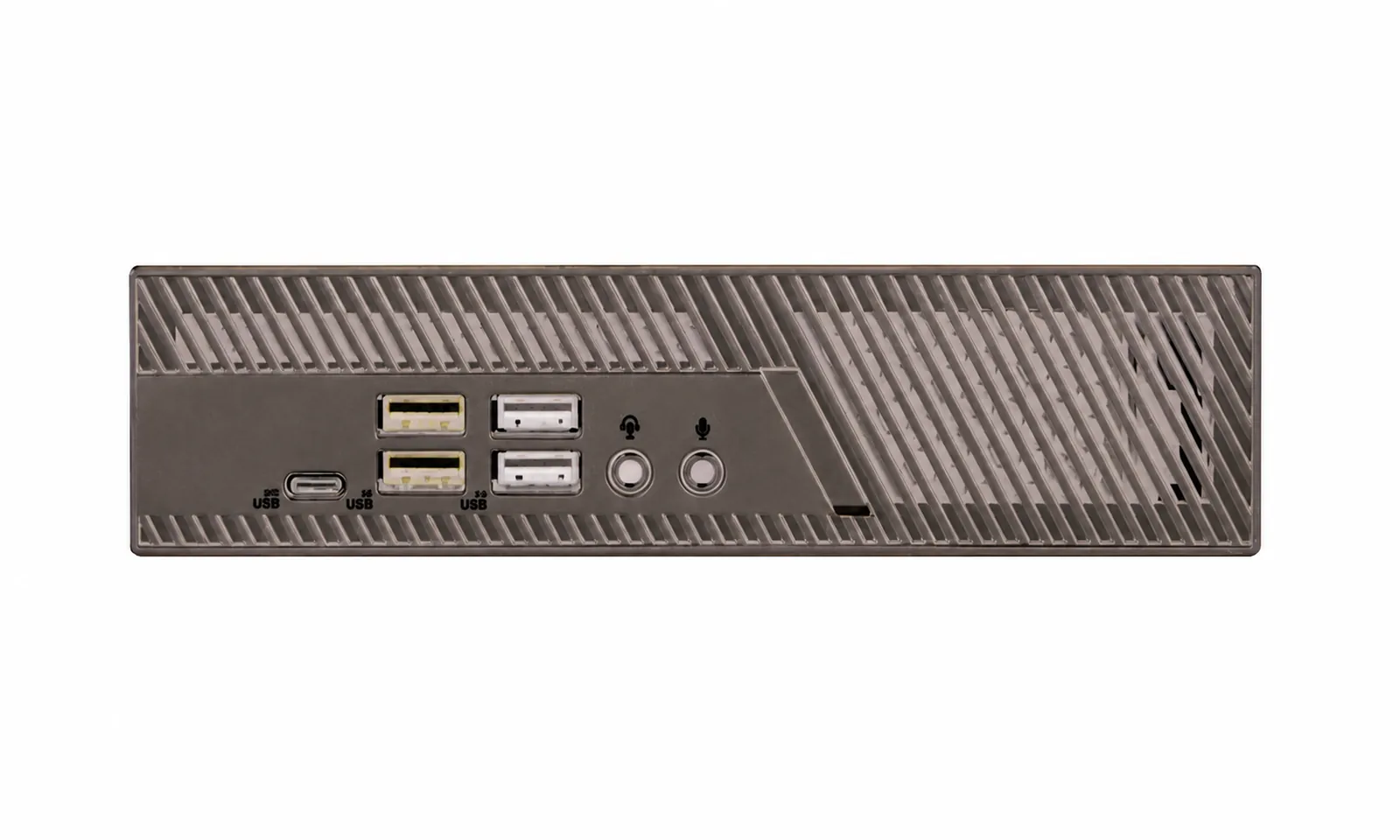
Channels, retention and remote access are sized together with the selected resolution.

From local viewing to a dedicated monitoring room, configured around the people using the video.
Tell us about your environment in a few lines. We will get back to you to prepare a video solution aligned with your critical areas, organisation and timeframe.