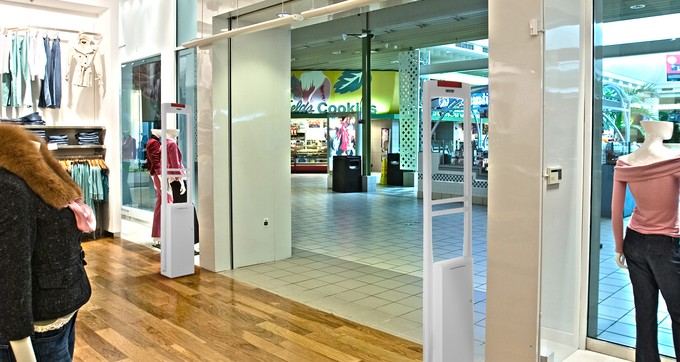
Pedestal and storefront display
Visible deterrentAn entrance antenna influences behavior right at the threshold. For window displays, an acrylic model preserves the visual appeal of the merchandise arrangement.
 EAS anti-theft
Sensormatic AM pedestals, tags, hard tags, and detachers.
 Video surveillance
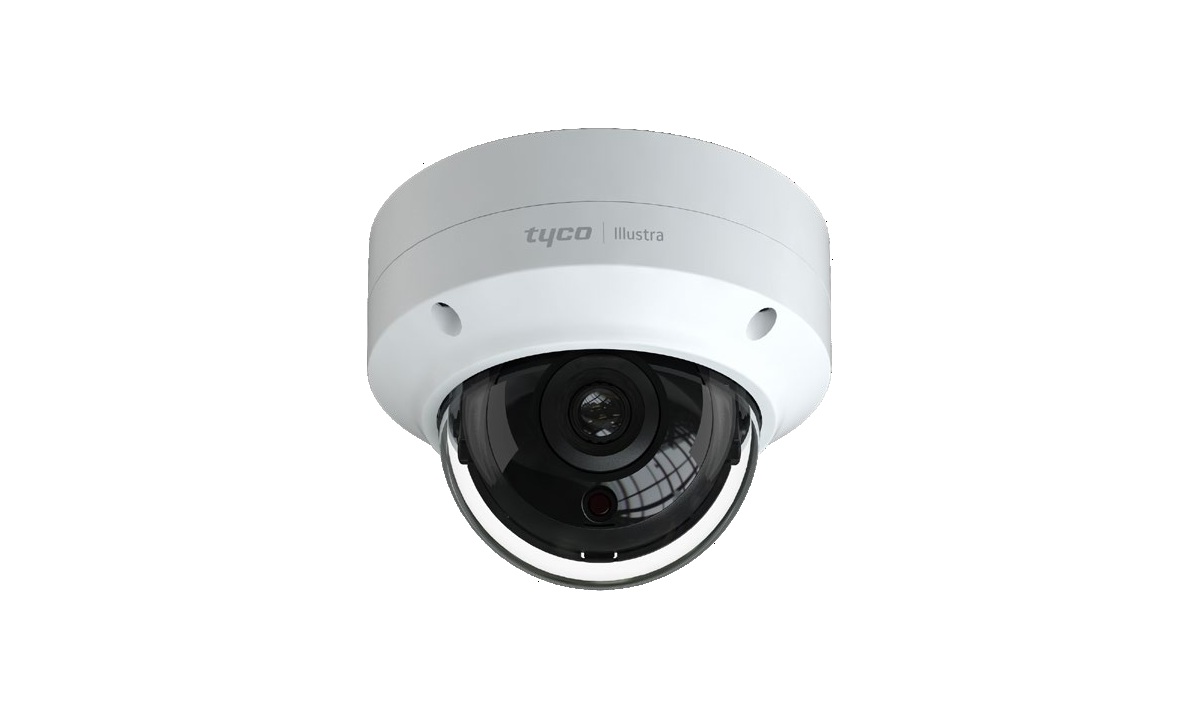
Aritech, Carrier, HikVision. NVR, monitoring, AI.
 Access control
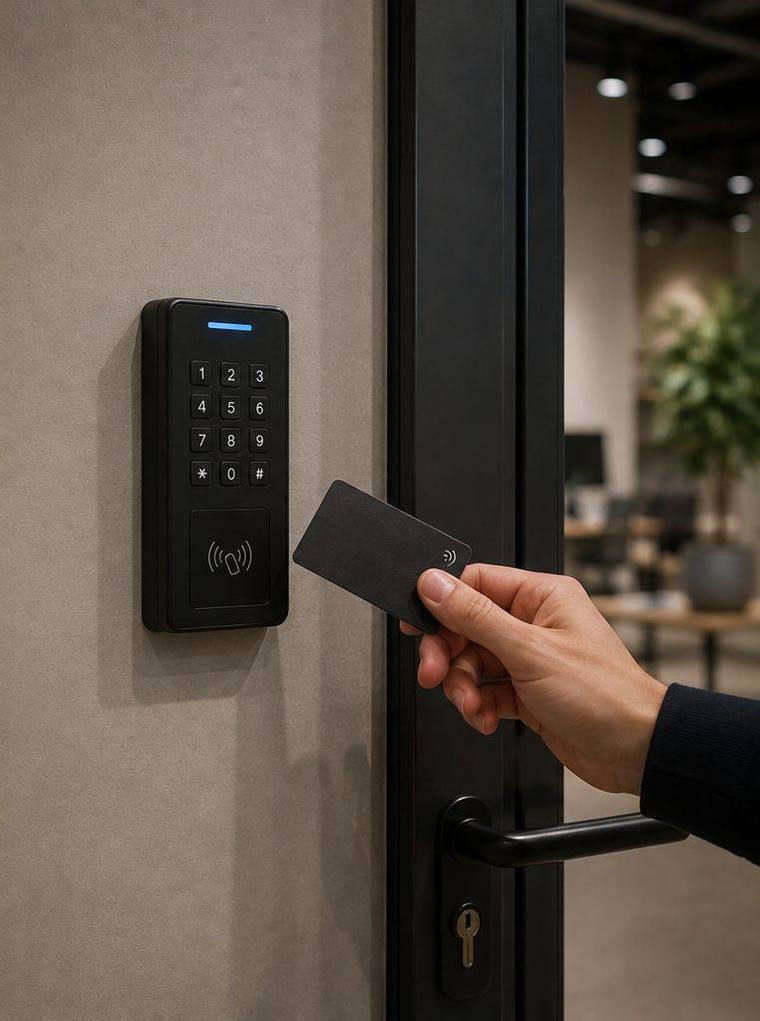
Tags, biometrics, multi-site access rights management.
 Intrusion alarm
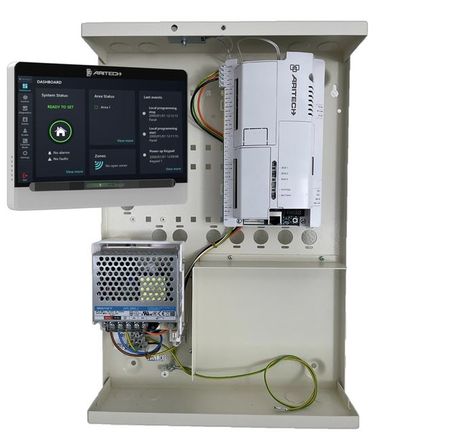
Hybrid control panels, GSM transmission, remote monitoring.
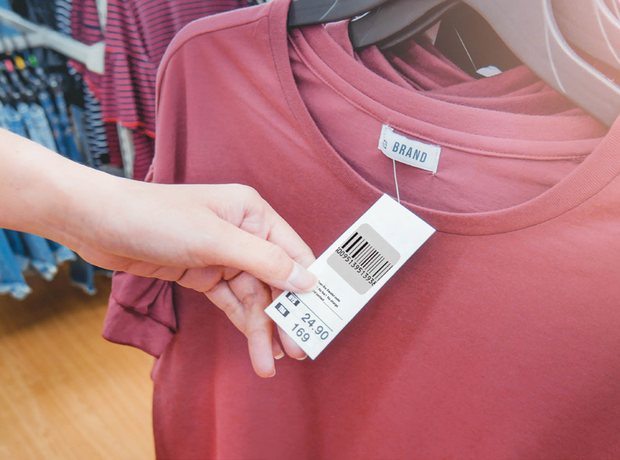 Labels & consumables
Anti-theft labels, reusable tags, detachers.
Point of salePOS, scanners, printers and peripherals.
MaintenanceMulti-brand service, preventive and on-site support.
High turnover, easily concealed items, fitting rooms: the textile sector presents a combination of vulnerabilities. Reusable tags, discreet gates, and monitoring of blind spots.
Sources: Ministry of the Interior (2025 shoplifting figures) · Checkpoint Systems Barometer · National Retail Federation, Retail Security Survey. Figures are indicative only.
A garment can be folded, slipped under another item, or put on underneath a coat. Unlike a boxed product, it leaves no packaging behind—the discrepancy only shows up during inventory.
Hence the choice of rigid tag rather than an adhesive label : visible on the shelf, it acts as a deterrent before any theft even occurs, and is then returned to the checkout to be used again.
Get my shop evaluated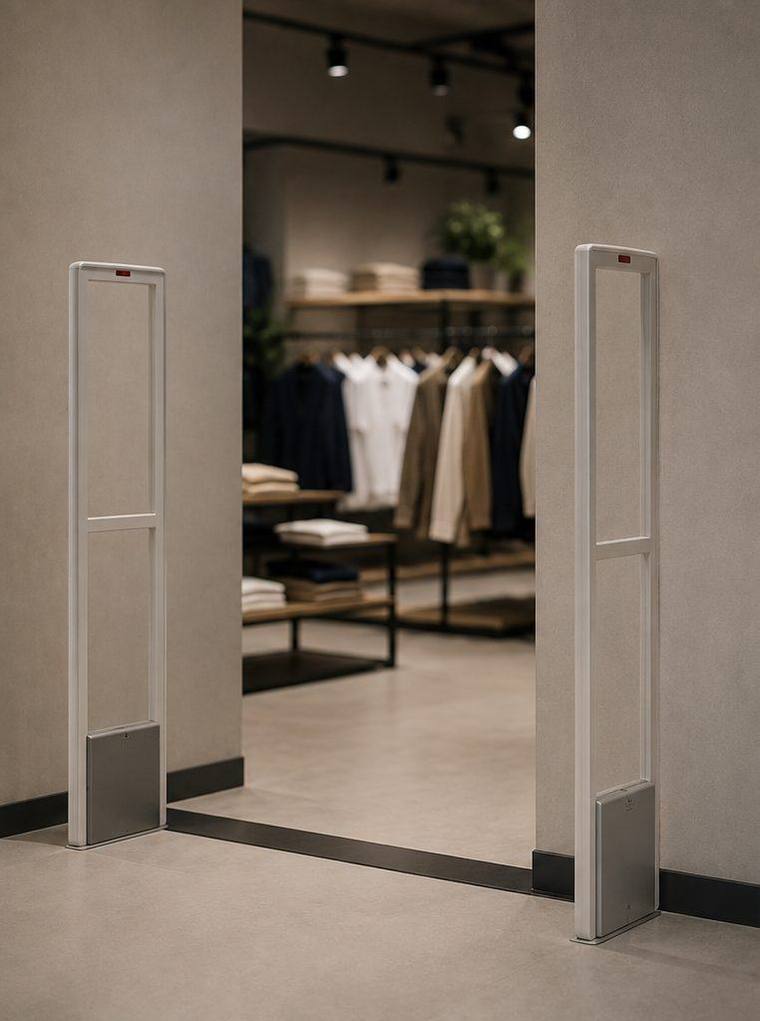
An effective system does not stop at the entrance; it covers the areas where theft is planned.
An entrance antenna influences behavior right at the threshold. For window displays, an acrylic model preserves the visual appeal of the merchandise arrangement.
We never film the inside of a fitting room—it is prohibited. However, monitoring the surrounding area and counting items at the entrance are permitted methods.
This is the least monitored area and where internal shrinkage is concentrated. Access control via badge and a camera covering the passageway.
Framing focused on the checkout counter and hands. This allows for resolving change-related disputes or verifying transaction cancellations.
We outfit fashion and sports stores in the Bas-Rhin, the Grand Est region, and beyond.
Haguenau · Strasbourg · Schiltigheim · Bischwiller · Saverne · Sélestat · Colmar · Mulhouse · Wissembourg · Brumath
No, never the interior. Fitting rooms are spaces where privacy is protected, and a camera there would be illegal. What is possible is monitoring the surrounding area and implementing item counting at the entrance.
The hard tag is the choice for the vast majority of cases: it is visible (acting as a deterrent), does not damage fabric, and is reusable. Soft tags remain useful for items packaged in boxes or blister packs.
Using high-security tags that are harder to remove without a detacher, potentially combined with specific protection for the most vulnerable items. Shelf placement matters just as much as the tag itself.
Peak traffic periods are when human surveillance tends to falter. This is where a system designed for high density—rather than an empty store—makes the difference. Also, remember to plan ahead for your stock of consumables.
Transparent acrylic models blend in without disrupting the window display, and some accommodate an advertising panel—turning the security gate into a communication medium.
Yes, for the sales floor (areas open to the public): authorization must be requested from the departmental prefecture. Stockrooms, however, fall under CNIL regulations and the data processing register.
Describe your setup to us: we will arrange a site visit and provide a precise quote for your installation, with no obligation.