Loading and unloading
Carriers · PalletsCameras framed on the handling area, not the entire loading dock: it must be possible to identify a pallet and a person, not just detect movement.
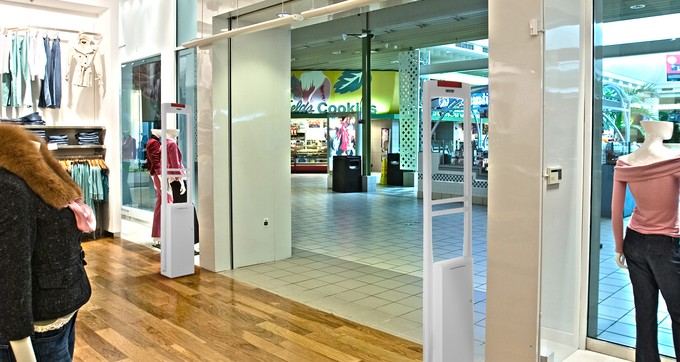 EAS anti-theft
Sensormatic AM pedestals, tags, hard tags, and detachers.
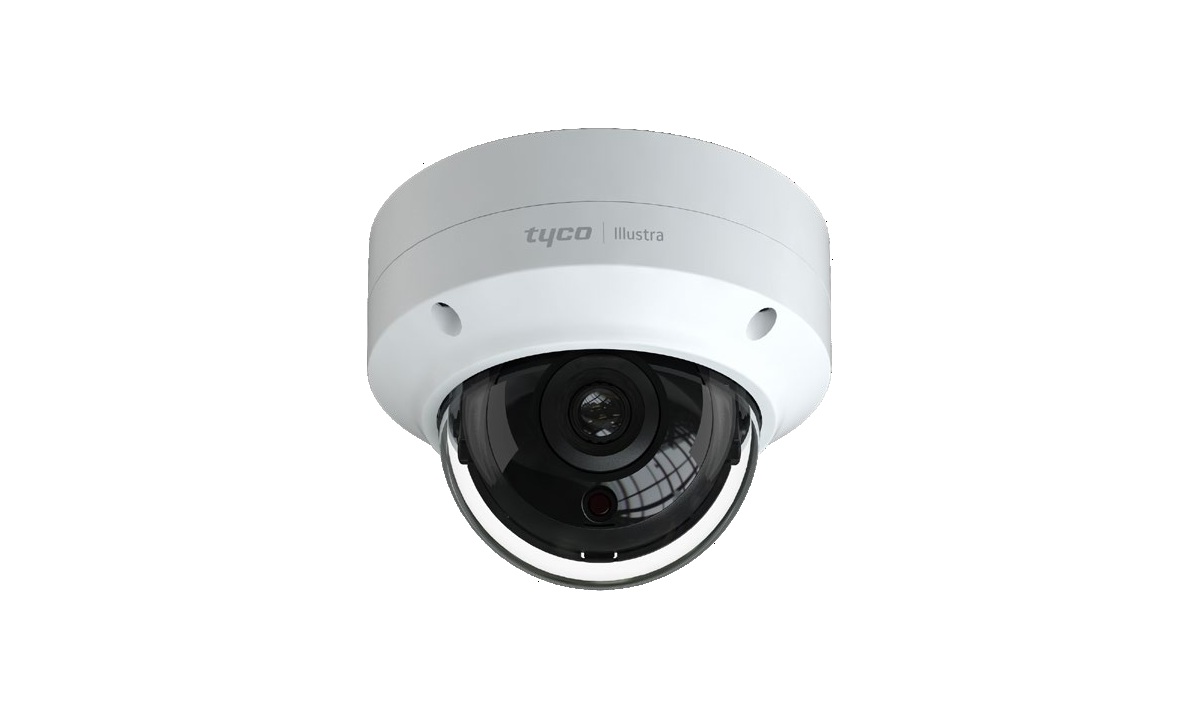 Video surveillance
Aritech, Carrier, HikVision. NVR, monitoring, AI.
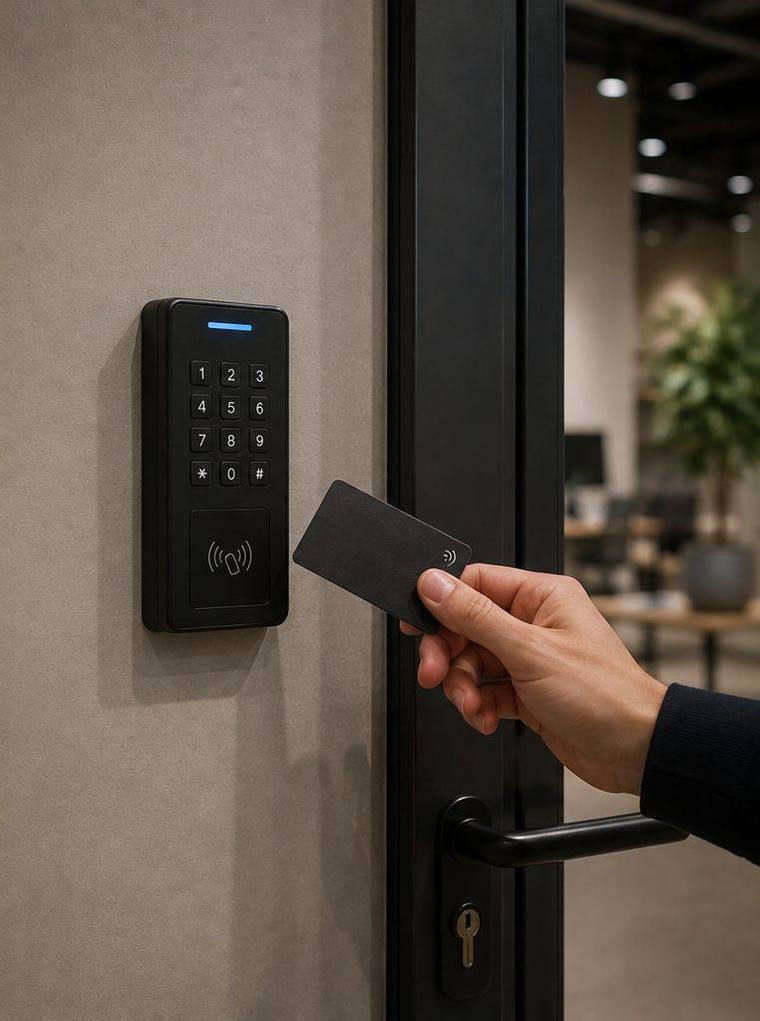 Access control
Tags, biometrics, multi-site access rights management.
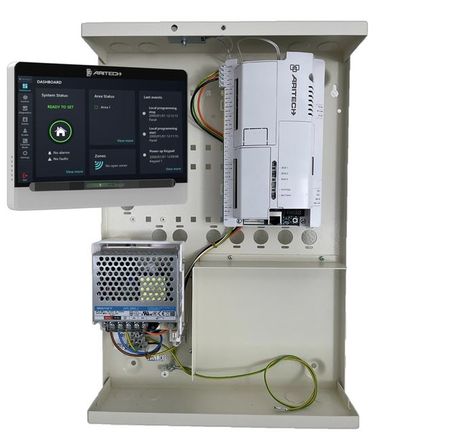 Intrusion alarm
Hybrid control panels, GSM transmission, remote monitoring.
 Labels & consumables
Anti-theft labels, reusable tags, detachers.
Point of salePOS, scanners, printers and peripherals.
MaintenanceMulti-brand service, preventive and on-site support.
Open docks, carrier traffic, goods without direct supervision: in a warehouse, the risk isn't the customer; it's the passage. Tracked access, video-monitored loading docks, alerts outside business hours.
Sources: Ministry of the Interior (2025 shoplifting figures) · Checkpoint Systems Barometer · National Retail Federation, Retail Security Survey. Figures are indicative only.
Goods arrive and leave via the same point, handled by people outside the company. This is where discrepancies tend to occur, and it is also the area least covered by continuous human surveillance.
The answer isn't to multiply the number of cameras, but to cross-reference three pieces of information : who badged in, at what time, and what the image shows at that precise moment.
Assess my siteA warehouse is secured at its interfaces: the points where goods or people enter and exit.
Cameras framed on the handling area, not the entire loading dock: it must be possible to identify a pallet and a person, not just detect movement.
Access rights limited by time and location eliminate the need to hand out keys that never come back, while creating a usable audit trail.
Not all items have the same value. Sensitive areas are handled separately, with restricted access and dedicated detection.
Opening contacts on access points, volumetric monitoring of storage areas, alert transmission, and video verification before dispatching personnel.
We outfit logistics sites in the Grand Est region, across France, and in neighboring countries.
Haguenau · Strasbourg · Schiltigheim · Bischwiller · Saverne · Sélestat · Colmar · Mulhouse · Wissembourg · Brumath
By making movements traceable rather than simply increasing surveillance. Badge-based access control, cross-referenced with time-stamped imagery, makes it possible to explain inventory discrepancies—something cameras alone cannot do.
Not for continuous monitoring of a workstation. Cameras cover access points, loading docks, and sensitive areas, subject to prior notification of employees and consultation with the Social and Economic Committee (CSE) for workforces exceeding 50 people.
Not necessarily: if the site is not open to the public and access is controlled, only personal data regulations apply. A site that is open to the public, however, requires prefectural authorization.
Using access badges with restricted permissions: specific doors, specific time slots. A service provider who is no longer active can be deactivated immediately, without needing to change locks.
Rarely disruptive. Wireless detectors allow for installation in an active building, while a preliminary site survey determines cable routing for points where hardwiring is required.
Yes, with preventive maintenance visits tailored to the site's size and—with the Premium package—contractually guaranteed response times.
Describe your setup to us: we will arrange a site visit and provide a precise quote for your installation, with no obligation.