By person and by zone
Storage area · Office · Technical roomEach badge opens only what it is authorized to open—nothing else. Sensitive areas are handled differently than common areas.
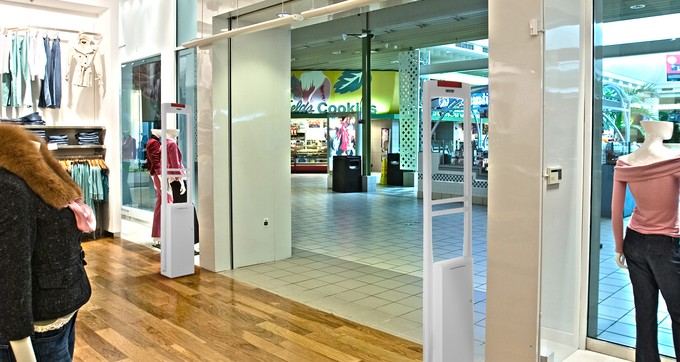 EAS anti-theft
Sensormatic AM pedestals, tags, hard tags, and detachers.
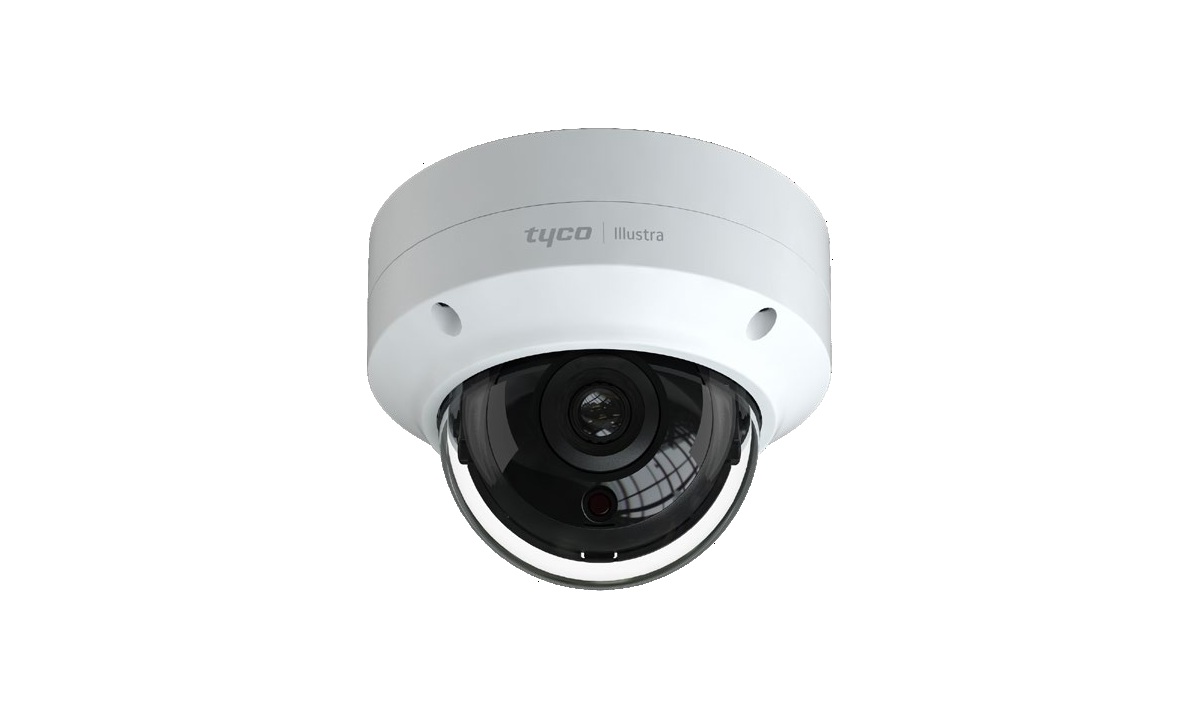 Video surveillance
Aritech, Carrier, HikVision. NVR, monitoring, AI.
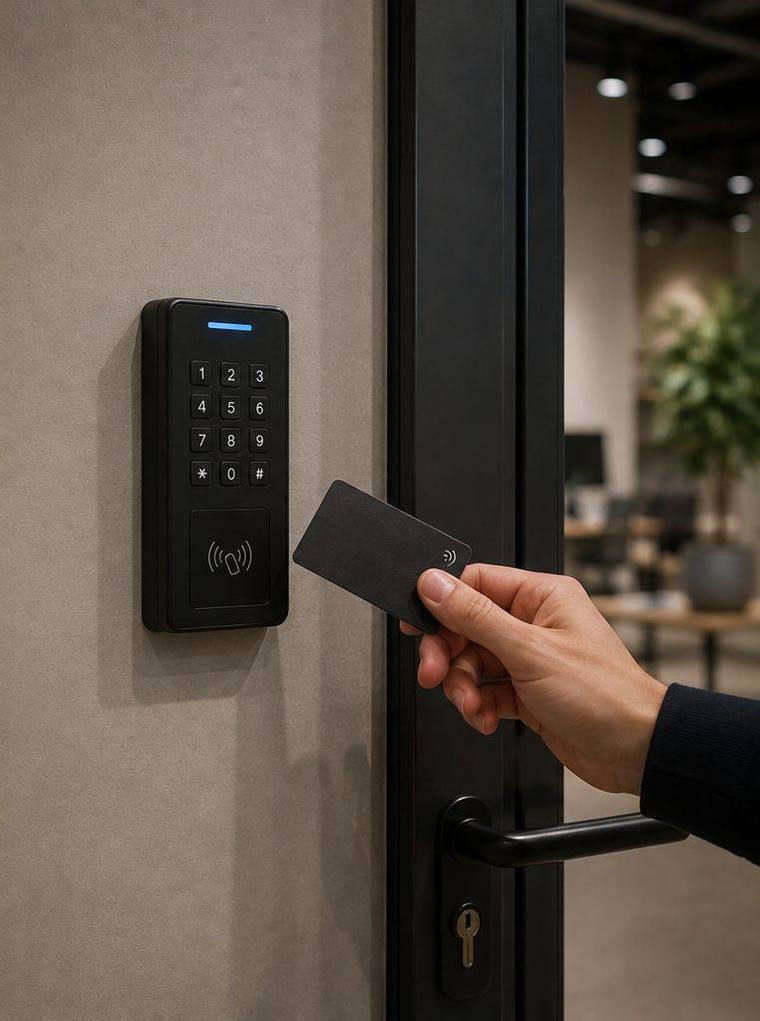 Access control
Tags, biometrics, multi-site access rights management.
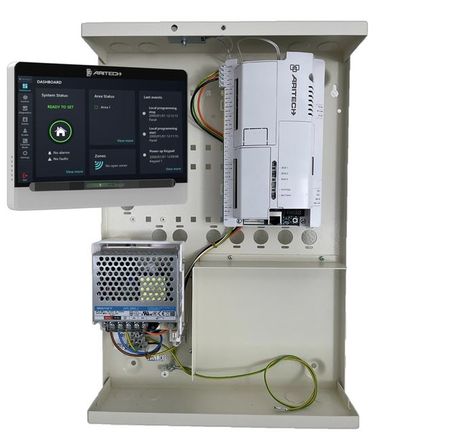 Intrusion alarm
Hybrid control panels, GSM transmission, remote monitoring.
 Labels & consumables
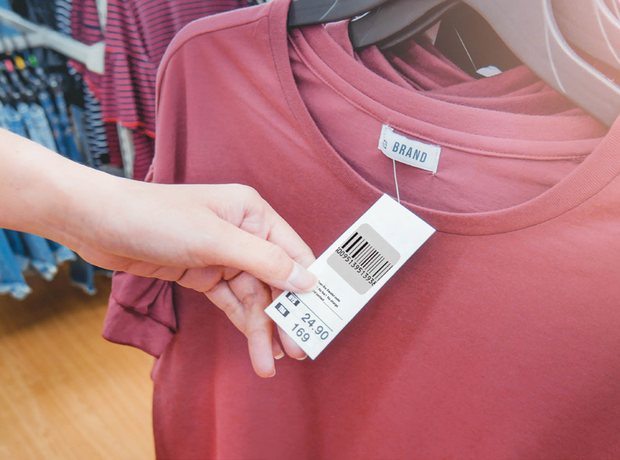
Anti-theft labels, reusable tags, detachers.
Point of salePOS, scanners, printers and peripherals.
MaintenanceMulti-brand service, preventive and on-site support.
Badges, readers, access permissions and time schedules for stockrooms, offices and sensitive areas. We supply, install and configure the equipment, with maintenance arranged around your site requirements.
Sources: Ministry of the Interior (2025 shoplifting figures) · Checkpoint Systems Retail Theft Barometer · National Retail Federation, Retail Security Survey. Figures are indicative only and subject to change.
The mechanical key has a structural flaw: it cannot be revoked. An employee leaving, a lost keyring, a service provider no longer on the job—and suddenly you are replacing cylinders.
A second benefit is traceability: knowing who opened the stockroom and at what time. This often explains internal shrinkage that cameras alone cannot clarify.
Assess my access pointsAccess control isn't just about locking; it’s about granting specific permissions. Each individual opens only the areas they are authorized to access, and only when they are authorized to do so.
Each badge opens only what it is authorized to open—nothing else. Sensitive areas are handled differently than common areas.
A cleaning contractor does not need access at 3 a.m. on a Sunday. Access rights can also be time-restricted.
Access log available for review—useful in the event of a dispute or an unexplained inventory discrepancy.
Reader + keypadTag · Code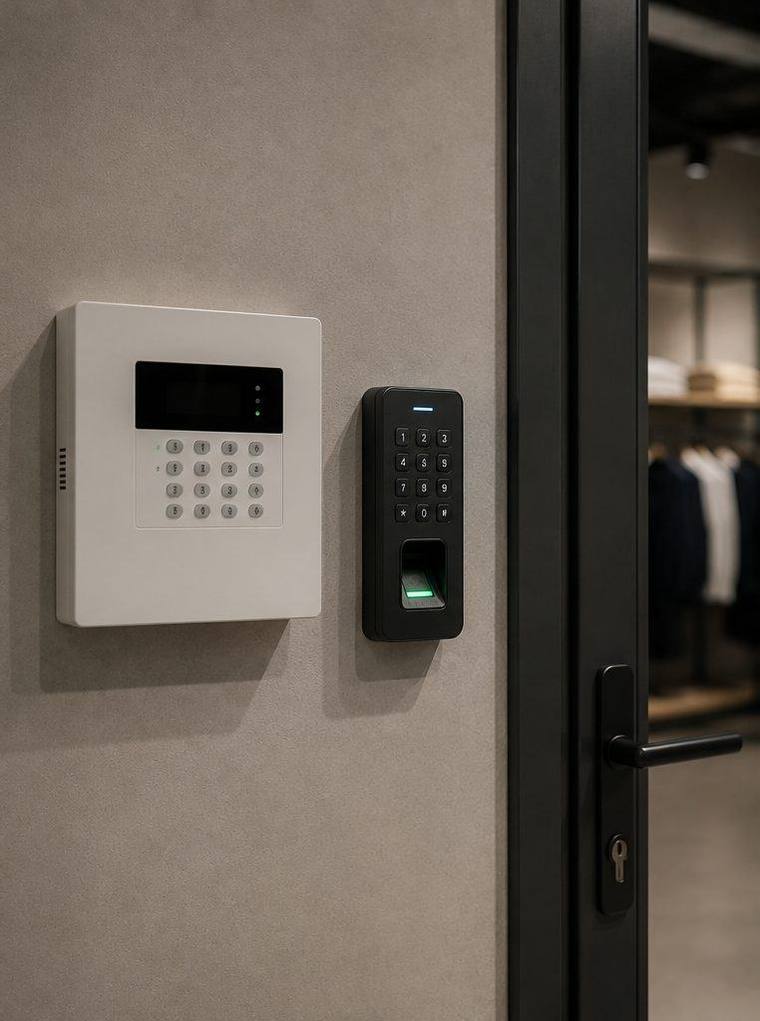 Biometric readerFingerprintIntegrated control panelAccess + intrusion
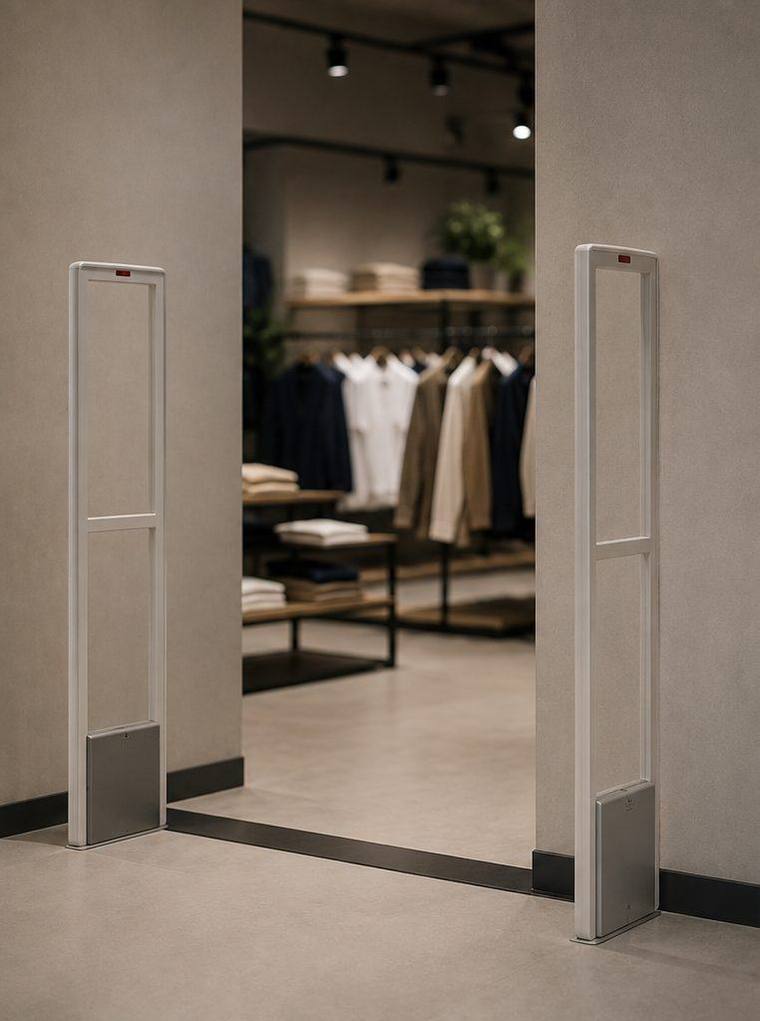 Protected zonesStorage area · Loading docks
An access control system records the movements of identified individuals: this constitutes the processing of personal data.
Purpose, legal basis, retention period, and recipients must be listed in the record of processing activities.
Prior notification is mandatory, and the Social and Economic Committee (CSE) must be consulted for companies with more than 50 employees.
Securing a stockroom—yes; reconstructing everyone's schedules—no. Access rights are configured accordingly during installation.
Sources: CNIL · Internal Security Code (Art. L.251-1 et seq.) · GDPR · Labor Code (Art. L.1121-1 and L.1222-4). Informative summary; does not constitute legal advice.
Service coverage across the Bas-Rhin and Grand Est regions, with centralized administration for multi-site networks.
Haguenau · Strasbourg · Schiltigheim · Bischwiller · Saverne · Sélestat · Colmar · Mulhouse · Wissembourg · Brumath
Rarely. Most existing doors can be fitted with an electric strike or electromagnetic lock without replacing the entire door unit. An on-site survey determines the appropriate hardware for each door and identifies emergency exit requirements.
Operational behavior is determined during installation based on the specific door: some must automatically unlock for evacuation purposes, while others must remain locked. Power supplies include backup systems to ensure continued operation during brief outages.
Yes. Specific zones and time slots are assigned to each badge. A service provider might be granted access to only one specific door, on certain days, and within a defined time window.
That is not its intended purpose, and using it in this way—without a legal basis or prior notification—raises compliance issues. The system must remain proportionate to the security objective; we configure viewing rights and data retention periods accordingly.
Yes. An employee can use a single badge valid across multiple store locations, with access rights tailored to each site and managed from a central station.
Yes, and that is often where it proves most valuable: cross-referencing badge data, timestamps, and video footage can resolve most uncertainties in just a few minutes.
Describe your setup to us: we will arrange a site visit and provide a precise quote for your installation, with no obligation.
From one door to multiple sites, users, schedules and events are organised around the way your home, retail site or company actually operates.

Badge or PIN selected for the door and security level.

Wired or radio architecture for access, events and future extensions.